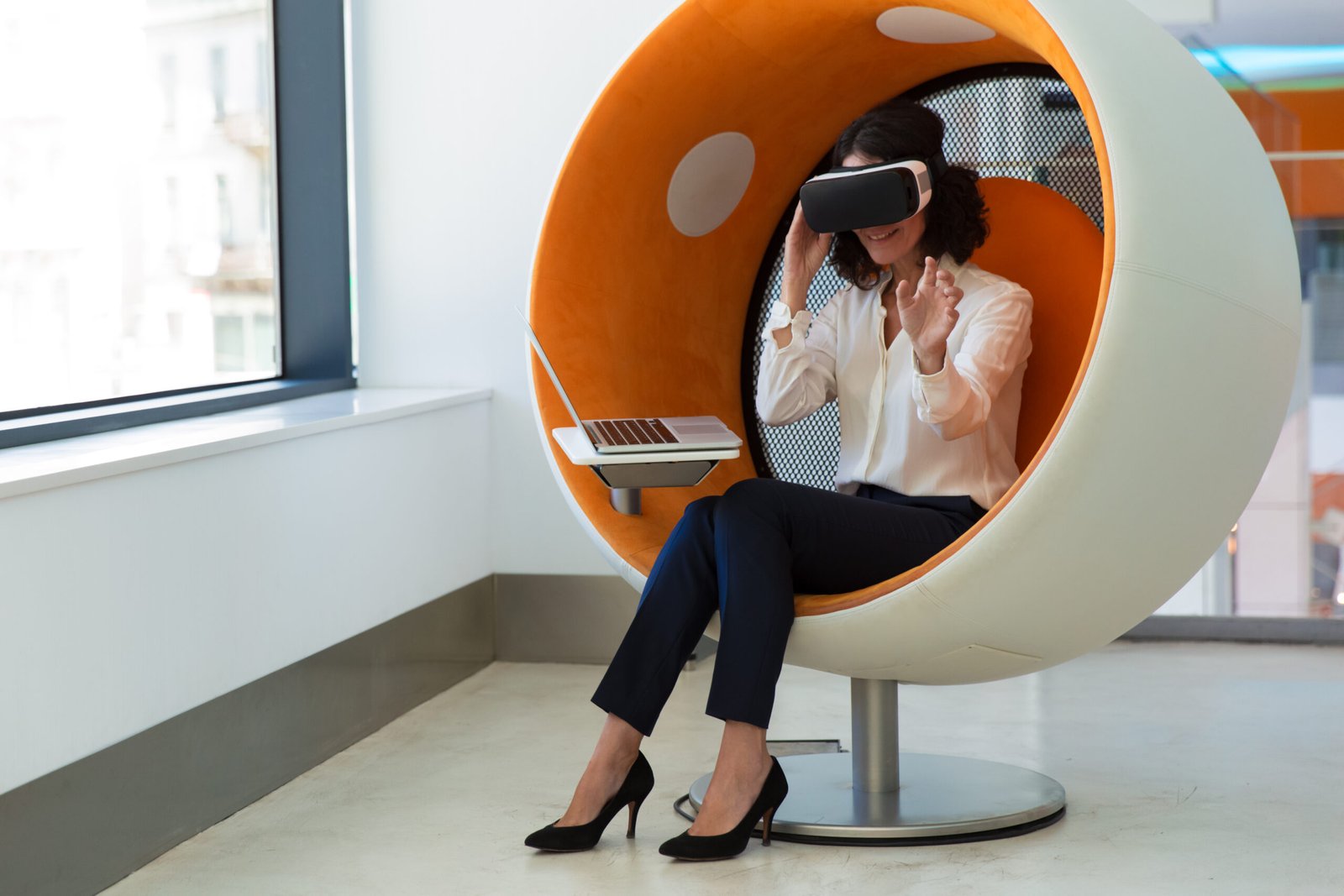
Technology is no longer something we “use” for a few hours a day. It has blended into our routines so deeply that we often don’t notice its presence. From the moment we wake up to the time we fall asleep, digital systems are guiding decisions, automating tasks, and changing how we interact with the world. What makes modern technology powerful is not just innovation, but how seamlessly it fits into everyday life.
This shift is not about flashy gadgets alone. It is about smarter systems, faster access to information, and tools that learn and adapt with human behavior.
The Evolution of Technology From Tools to Intelligent Systems
Early technology focused on making physical work easier. Machines replaced manual labor, and computers replaced paperwork. Today, technology goes far beyond assistance—it predicts, analyzes, and improves processes automatically.
Artificial intelligence, machine learning, and data analytics have transformed software into decision-making partners. These systems do not simply respond to commands; they understand patterns and improve over time.
For businesses and individuals alike, this evolution means less time spent on repetitive work and more focus on creativity, strategy, and problem-solving.
Artificial Intelligence Is Becoming a Daily Companion
AI is no longer limited to research labs or large corporations. It is embedded in smartphones, search engines, online shopping platforms, and even email inboxes.
When a user types a query into a search bar, AI works behind the scenes to understand intent rather than just keywords. Recommendation systems suggest content, products, and services based on behavior rather than guesses.
What makes AI impactful is its subtlety. Most people interact with AI dozens of times a day without realizing it, which shows how naturally it has integrated into digital life.
Technology in the Workplace Is Redefining Productivity
The modern workplace looks very different compared to a decade ago. Remote work tools, cloud platforms, and collaboration software have removed location barriers.
Teams now work across time zones using shared digital environments. Files update in real time, meetings happen virtually, and project tracking tools provide clarity without constant follow-ups.
Automation has also changed productivity standards. Tasks that once took hours can now be completed in minutes, allowing professionals to focus on decision-making instead of execution.
Cloud Computing Has Changed Data Ownership
Cloud technology has shifted how data is stored, accessed, and protected. Instead of relying on physical devices, users now access information from anywhere with an internet connection.
This flexibility has empowered startups and individuals by removing the need for expensive infrastructure. It has also improved data security through encrypted storage, backups, and controlled access.
As cloud systems continue to evolve, they are becoming faster, smarter, and more energy-efficient, making them a foundation of modern digital ecosystems.
Cybersecurity Is Now a Personal Responsibility
As technology advances, digital risks also increase. Cybersecurity is no longer just an IT department issue—it affects everyone who uses the internet.
Strong passwords, two-factor authentication, and awareness of online threats are basic requirements today. Businesses are investing heavily in security frameworks to protect user data and maintain trust.
The future of cybersecurity lies in predictive systems that identify threats before damage occurs, reducing risks without interrupting user experience.
The Role of Technology in Education Is Expanding Access
Technology has transformed education by removing geographic and financial barriers. Online courses, virtual classrooms, and digital learning platforms allow students to learn at their own pace.
Interactive tools, AI-based tutors, and adaptive learning systems personalize education based on individual progress. This approach helps learners understand concepts more effectively rather than memorizing information.
Education is shifting from fixed schedules to flexible learning journeys, driven by digital innovation.
Smart Devices Are Creating Connected Environments
Smart homes, wearable devices, and connected appliances are changing how people interact with their surroundings. These devices collect data to improve comfort, efficiency, and safety.
From health-tracking watches to automated lighting systems, smart technology responds to habits rather than commands. Over time, it learns preferences and adjusts accordingly.
This level of personalization highlights how technology is becoming more human-centered rather than machine-driven.
Technology and Mental Well-Being Need Balance
While technology improves efficiency, it also creates challenges related to screen time, focus, and mental health. Constant connectivity can lead to information overload and digital fatigue.
Many technology companies are now designing features that encourage healthier usage patterns, such as screen-time limits and focus modes.
The future of digital wellness depends on conscious usage, where technology supports life instead of overwhelming it.
The Rise of Ethical Technology Development
As technology influences decisions and behavior, ethical considerations are becoming more important. Questions about data privacy, AI bias, and transparency are shaping development strategies.
Responsible technology focuses on fairness, inclusivity, and accountability. Developers and organizations are being encouraged to design systems that benefit society rather than exploit it.
This shift reflects a growing understanding that innovation should align with human values.
How Technology Is Shaping the Future Economy
Digital platforms, automation, and AI are redefining job roles and business models. While some tasks are being automated, new opportunities are emerging in data analysis, system design, and digital strategy.
The economy is shifting toward skill-based value rather than physical output. Continuous learning and adaptability are becoming essential for long-term success.
Technology is not replacing humans—it is reshaping how humans create value.
Answering Common Questions About Technology
How does technology impact daily life?
Technology improves convenience, communication, and access to information while automating routine tasks.
Is artificial intelligence safe to use?
AI is safe when designed responsibly, with proper data protection and ethical guidelines.
Why is technology important for businesses?
It increases efficiency, improves customer experience, and enables data-driven decisions.
What skills are important in a technology-driven world?
Digital literacy, adaptability, critical thinking, and problem-solving are key skills.
Final Thoughts
Technology is not a trend that will fade—it is a continuously evolving force shaping how people live, work, and think. The most successful individuals and organizations are not those who chase every new tool, but those who understand how to use technology strategically.
When used thoughtfully, technology becomes more than innovation. It becomes a partner in growth, creativity, and progress.